–
Not all diets are perfect, well, most aren’t. One could argue that none are, but what if I help find the perfect one for you??
Let’s go.
1.) The Keto Diet
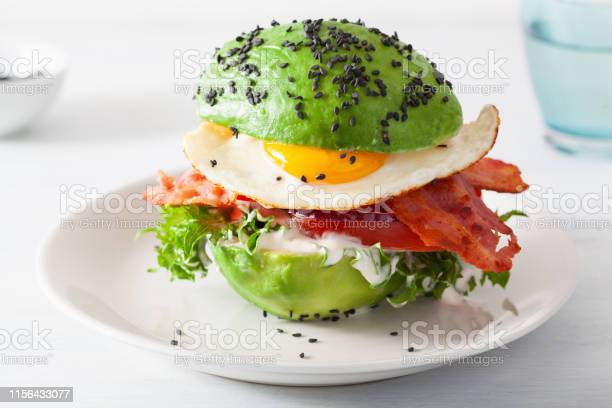
The Keto diet is a way of eating that bases it’s principles on finding the way to put the body in a fat-burning state called, ketosis through producing acids called ketone bodies, meant to burn stored fat. The diet consists of 70% fat, and with the limited carbohydrates, your body produces an alternative form of energy in excess to make up for the deficit, ketones, which then help the body in burning stored fat. However, while Keto may be great for burning fat; it’s low protein content makes it not ideal for building muscle, as your muscles are made of protein, and when not getting enough of it (0.8-1.2g/lb of bodyweight for practical purposes), your body is at a loss for building muscle.
2.) Intermittent Fasting
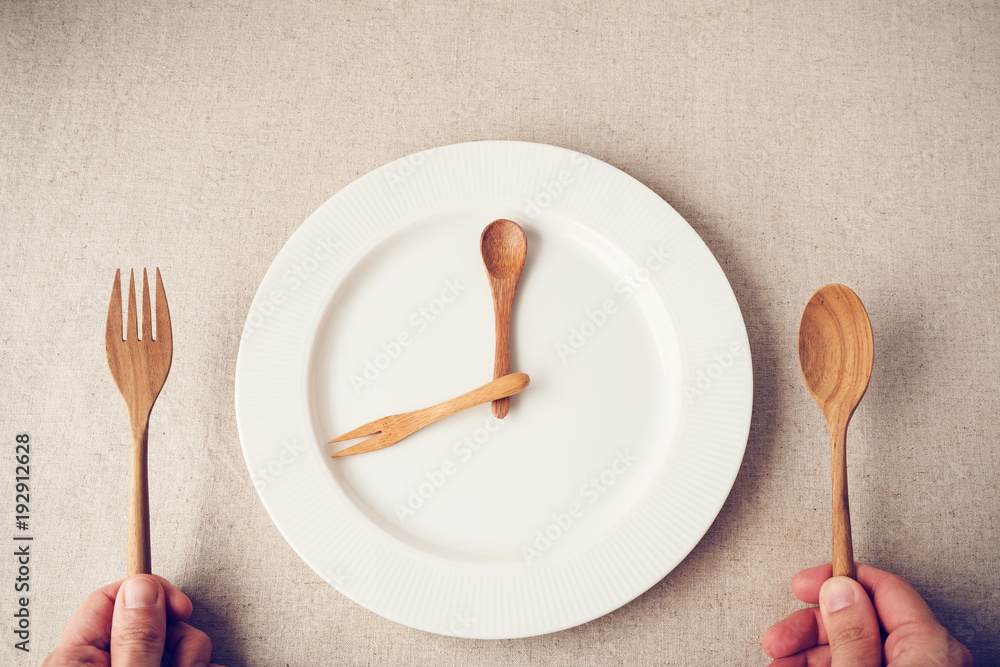
This has gained tremendous popularity in the most recent years: Intermittent Fasting. Intermittent fasting is the concept of designating a specific period to fasting and a specific period of time to eating. Literature argues over whether it was meant to mimic more primal hunting patterns of non-eating and is more-so inspired to mimic these evolutionary patterns through the modulation of our hormonal and/or endocrine systems to aid in a more beneficial life through playing into our hunter-gatherer-esque reward systems as the goal, or whether it is simply to generate more control over your diet. This in turn could give way to its effect in managing weight; which, in-turn may then be said to manage disease. This diet is good for someone who benefits from structure, has problems eating at certain parts of the day, but my only reccomendation if followed is to not conduct your resistance training while fasted; training-induced muscle-protein synthesis, your body’s use of dietary protein around the time of working out, will be inhibited, and it will make it more difficult to conduct your strength-training sessions effectively.
3.) The Paleo Diet
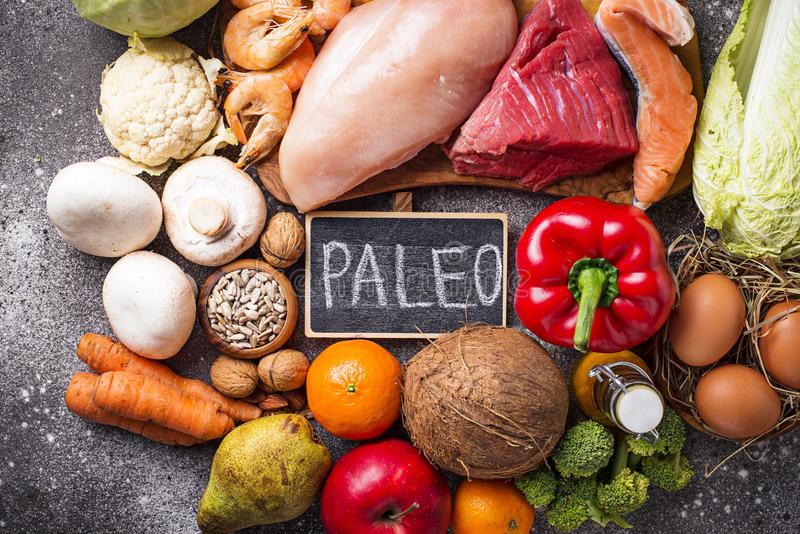
The Paleo Diet’s main focal point and inspiration is around only eating foods that our Paleolithic [caveman] ancestors had access to. Now while we surely weren’t there ourselves, it’s safe to say they weren’t eating highly-processed, or even processed foods at all for that matter. This diet tends to mainly consist of: meat, vegetables, fish, seeds, eggs, herbs, spices, and oils. Limiting you away from things such as: legumes, most dairy, grains, soft-drinks, sugar, processed foods, artificial sweeteners, vegetable oils, and trans fats. Surely, nobody could reccomend against the food choices in this diet, and as long as you find a way to get your daily carbs in while on this diet from things such as cassava root, taro, yam, sweet potatoes, and plantains. , this is a very whole and healthy diet all around, even allowing for things such as athletic performance, with the ability to still get carbs while having all of the room in the world for your proteins and healthy fats!!
4.) The Vegan Diet
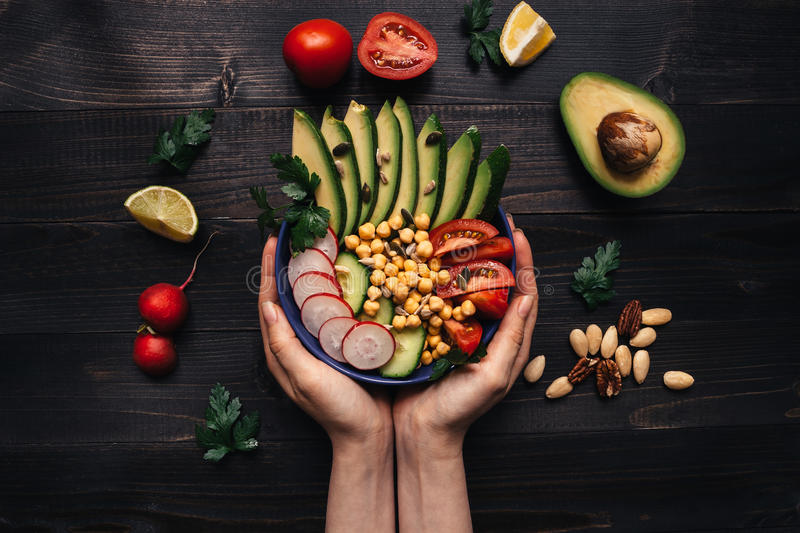
The Vegan Diet is a diet whole-heartedly dedicated to eating food made only from plants. It started as an ideology with the intention of preventing the slaughter of animals and developed further into a diet with hopes of also grabbing to the side health benefits of its own. While veganism surely promotes weight loss, and is even known to lower one’s A1C, decreasing risk for diabetes, to lower one’s risk of heart disease through lowering cholesterol, and to lower your chances of developing certain types of cancers such as colon cancer; it still isn’t necessary or optimal for the average person. If this diet aligns with your beliefs: then power to you, God bless, continue to follow it. That’s beautiful. However, for practical purposes, this diet is inefficient in supplying you with your daily protein intake without overloading on the soy, which is known to have a negative effect on men’s testosterone levels and is thought to have the potential to cause infertility in women when having 60+g of soy protein for a month or more.
5.) If it Fits Your Macros, “IIFYM”
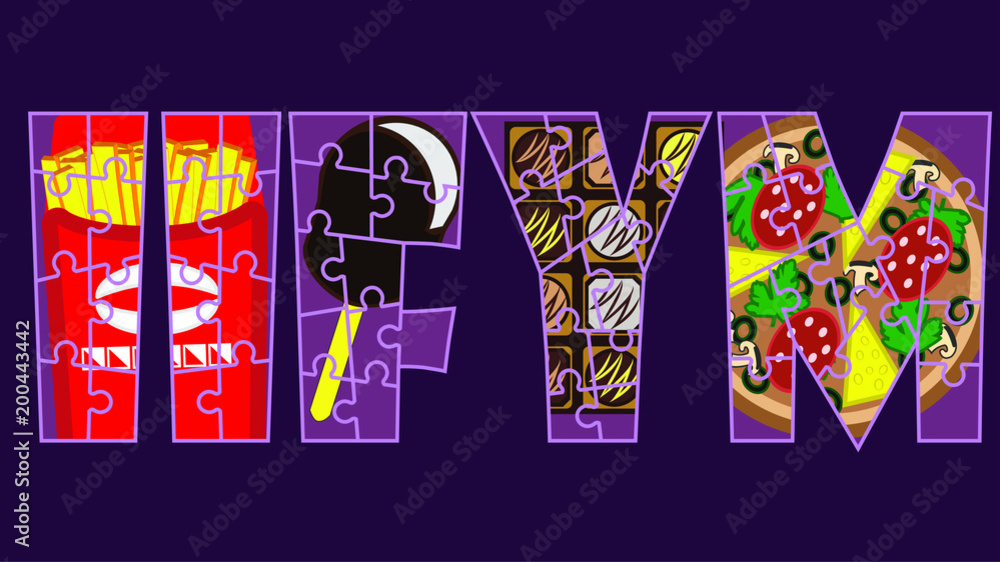
The diet known as, “If it Fits Your Macros” was originally meant to encourage the balanced tracking of diet and protein but has led to a bit of a processed food pandemic in the fitness industry. What started as an epidemic of, “No you can fit it in,” turned recently into a pandemic of, “No it’s fine if your diet is entirely cheeseburgers.” However, when done with a healthy sense of reasonableness and discipline, this diet could be ideal for just about anyone. It encourages the tracking of more significant factors in one’s diet than just simply vitamins and minerals such as: protein, carbohydrates, and fats, known as: “macronutrients” (big-nutrients). These are the ones that have the largest role in determining your metabolic output and your ability to lose fat and build muscle ability to either build muscle, lose fat, or preserve muscle. When done properly with healthy/whole food choices, this is surely one of the most holistic approaches available, and as with every diet there is, would be beneficial to supplement with a daily multivitamin.
Like any other plan in the gym, maybe you could benefit from a Personal Trainer. If it’s been hard to get started, find a good diet, and make sure you’re doing the right things and holding yourself accountable, let someone take the reigns with you for a little bit until you’re ready to ride on your own.
See where to get a Trainer, or Become one Today
 What The Fitness
Leave a comment